
Call us now :08045802172
 Send Inquiry
 Send Inquiry
Stainless Steel Ball Valve
Stainless Steel Ball Valve Specification
- Material
- Stainless Steel (304/316)
- Valve Structure
- Floating Ball
- Way Type
- 2 Way
- Processing Type
- Casting
- Pressure
- 1.6 MPa to 6.4 MPa
- Dimension (L*W*H)
- Depends on size (e.g., 1 inch: approx. 90mm*62mm*55mm)
- Port Size
- 1/2 to 4 (customizable)
- Connection Type
- Threaded (BSP/NPT) or Flanged
- Application
- Industrial, Water, Chemical, Oil & Gas, Food Processing
- Media
- Water, Oil, Gas, Acidic Fluids
- Temperature of Media
- -20C to +180C
- Weight
- Varies with size (approx. 1.1 kg for 1 inch valve)
- Color
- Silver (Metallic Finish)
- Power Mode
- Manual (Lever Operated)
- Test Pressure
- Hydrostatic tested at 1.5 times rated pressure
- Blow-Out Proof Stem
- Yes
- Handle Material
- Stainless Steel with PVC sleeve
- Leakage Class
- Class VI (Bubble Tight)
- End Connection
- Screwed, Socket Weld, Butt Weld, or Flanged
- Operation
- Quarter Turn
- Antistatic Device
- Available (Optional)
- Seal Material
- PTFE (Teflon)
- Quick Close/Open Time
- < 1 second for 90° rotation
- Locking Device
- Available (Optional)
- Surface Finish
- Polished
- Packing Material
- Graphite/PTFE
- Fire Safe Design
- Available (Optional)
About Stainless Steel Ball Valve
VALVES DETAILS
- Material : Stainless Steel / Duplex / Super Duplex / Nickel Alloy / Carbon Steel / Alloy Steel
- Standard : ASTM / ASME / ANSI / AISI / DIN
- Grade >: WCB, WC1, WC6, WCI, LCB, LCC, LC3, C5, C12, CF8, CF8M, CF3, CF3M, CF8C, CN7M, CD4MCu,
- Hastelloy, Inconel, 304L, 316L, 2205, 2507 etc.
- Types : Gate Valve, Ball Valve, Globe Valve, Butterfly Valve, Check Valve, Cryogenic Valve
- Size : 1/2" to 60"
- Class : 150#, 300#, 600#, 800#, 900#, 1500# & 2500#.
Precision Engineering and Robust Design
Engineered from solid stainless steel with a floating ball structure, this valve ensures high strength, excellent corrosion resistance, and extended service life. The polished, metallic surface enhances cleanability and appearance, making it suitable for demanding industrial environments.
Versatile Connections and Customizable Options
This valve accommodates a wide range of installation needs with its choice of screwed, socket weld, butt weld, or flanged end connections. Port sizes from 1/2'' to 4'' and pressure ratings up to 6.4 MPa offer application flexibility, while optional features like fire-safe design and locking device provide added security and compliance.
FAQ's of Stainless Steel Ball Valve:
Q: How does the quick quarter-turn operation benefit the user?
A: The valve's quarter-turn mechanism allows for rapid opening or closing (less than one second for a 90 rotation). This design ensures quick response times in process control, improving safety and operational efficiency in critical applications.Q: What types of industries commonly use this stainless steel ball valve?
A: This valve is widely employed across industrial sectors such as water treatment, chemical processing, oil & gas, and food processing. Its robust construction and compatibility with various media, including water, oil, gas, and acidic fluids, make it highly versatile.Q: Where can these valves be installed regarding connection types?
A: The valve supports multiple installation methods, including screwed (BSP/NPT), socket weld, butt weld, and flanged ends. These options allow seamless integration into existing pipeline systems in industrial facilities, manufacturing plants, or processing units.Q: What benefits does the PTFE (Teflon) seat and seal material provide?
A: PTFE (Teflon) is highly resistant to chemicals, offers low friction for smooth operation, and maintains seal integrity over a wide temperature range. This results in reliable performance, minimal leakage, and extended valve service life.Q: How is leakage prevention ensured in this valve design?
A: The valve is rated Class VI for bubble-tight leakage and undergoes rigorous hydrostatic testing at 1.5 times its rated pressure. Additionally, the blow-out proof stem, precision packing, and optional fire-safe design enhance operational safety and minimize leakage risks.Q: When should you consider using the fire-safe and antistatic options?
A: Fire-safe and antistatic devices are recommended in hazardous environments where media volatility or risk of ignition is a concern-such as oil refineries or chemical plants. These features enhance safety by preventing static discharge and providing shutoff integrity during fire exposure.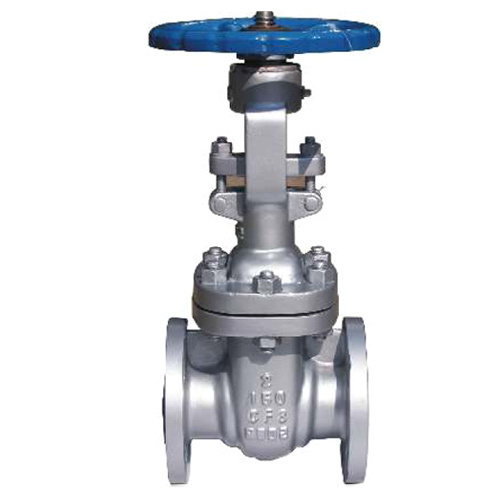
Tell us about your requirement

Price:
Quantity
Select Unit
- 50
- 100
- 200
- 250
- 500
- 1000+
Additional detail
Mobile number
Email

More Products in Stainless Steel Valves Category
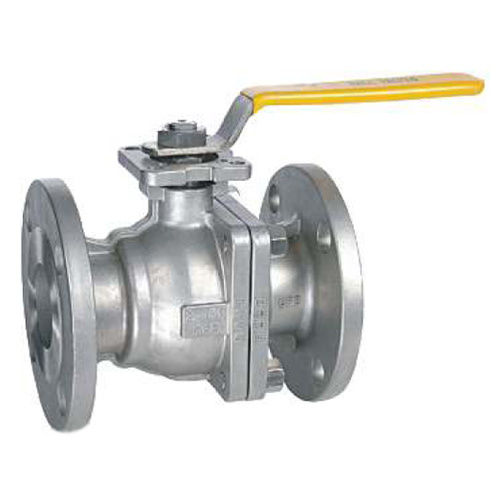
Stainless Steel Nickel Alloy Valve
Power Mode : Other, Manual, Pneumatic, Electric
Application : Industrial, Chemical Processing, Oil & Gas, Power Plants
Material : Other , Stainless Steel Nickel Alloy
Dimension (L*W*H) : Custom/Standard Sizes (example: 140 x 75 x 120 mm)
Temperature of Media : Other, 20C to 400C
Processing Type : Other, Forged / Cast
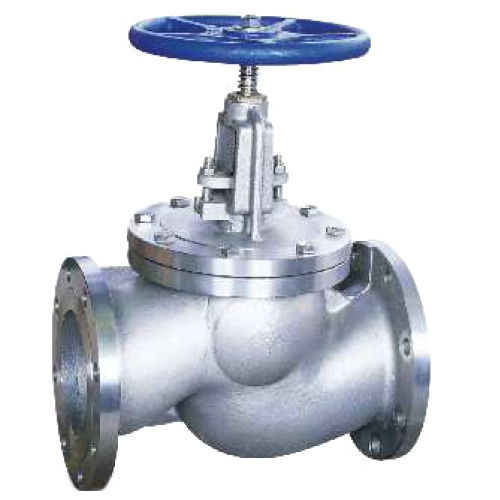
Stainless Steel Duplex Valve
Power Mode : Manual
Application : Industrial fluid control, water treatment, chemical processing
Material : Other , Duplex Stainless Steel
Dimension (L*W*H) : 210mm x 120mm x 180mm
Temperature of Media : Other, 20C to 280C
Processing Type : Other, Casting

 Send Inquiry
Our Products
- Duplex Steel Products
- Stainless Steel Flanges
- Stainless Steel Fittings
- Stainless Steel Bars
- Stainless Steel Fasteners
- Stainless Steel Angles
- Titanium Products
- Stainless Steel Products
- Nickel Alloy Pipe Fittings
- Stainless Steel Sheets And Plates
- Carbon Steel Products
- Alloy Steel Products
- Stainless Steel Nuts
- Stainless Steel Bolts
- Stainless Steel Valves
- Welding Filler Wire
- Stainless Steel Pipes
- Stainless Steel Coils
- Stainless Steel Flange-Pipe Fittings
- Carbon Steel Flanges
- Mild Steel Flanges
- Duplex Steel Flanges
- Aluminum Plates
- Nickel Pipes


Shop No.5, 84/86, Masalawala Building, 7th Khetwadi Lane, Near Alankar Cinema, Grant Road,Mumbai - 400004, Maharashtra, India

Mr Hitesh Mehta
(Marketing Manager)
Mobile :08045802172
 Send Inquiry
 Send SMS
Developed and Managed by Infocom Network Private Limited.
