
Call us now :08045802172
 Send Inquiry
 Send Inquiry
Stainless Steel Nickel Alloy Valve
Stainless Steel Nickel Alloy Valve Specification
- Material
- Stainless Steel Nickel Alloy
- Valve Structure
- Floating Ball, Globe, Gate, or Check
- Way Type
- 2 Way, 3 Way
- Processing Type
- Forged / Cast
- Pressure
- Up to 1500 PSI
- Dimension (L*W*H)
- Custom/Standard Sizes (example: 140 x 75 x 120 mm)
- Port Size
- 1/2 to 10
- Connection Type
- Flanged, Screwed, Welded, Socket Weld
- Application
- Industrial, Chemical Processing, Oil & Gas, Power Plants
- Media
- Water, Gas, Oil, Acid, Air
- Temperature of Media
- -20C to 400C
- Weight
- Varies as per size (3 kg - 25 kg)
- Color
- Silver
- Power Mode
- Manual, Pneumatic, Electric
- Operation Type
- Lever, Gear, Actuator
- Seal Material
- PTFE, Graphite, Metal-to-Metal
- Design Pressure
- ANSI 150# to 900#
- Leakage Class
- Class VI, Bubble Tight
- Service Life
- Long Cycle, Maintenance-Free
- End Connection
- Threaded, Butt Weld, Flange End
- Corrosion Resistance
- High
- Surface Finish
- Polished
- Mounting Type
- Inline, Panel Mounted
- Seat Type
- Soft Seated / Metal Seated
About Stainless Steel Nickel Alloy Valve
VALVES DETAILS
- Material : Stainless Steel / Duplex / Super Duplex / Nickel Alloy / Carbon Steel / Alloy Steel
- Standard : ASTM / ASME / ANSI / AISI / DIN
- Grade >: WCB, WC1, WC6, WCI, LCB, LCC, LC3, C5, C12, CF8, CF8M, CF3, CF3M, CF8C, CN7M, CD4MCu,
- Hastelloy, Inconel, 304L, 316L, 2205, 2507 etc.
- Types : Gate Valve, Ball Valve, Globe Valve, Butterfly Valve, Check Valve, Cryogenic Valve
- Size : 1/2" to 60"
- Class : 150#, 300#, 600#, 800#, 900#, 1500# & 2500#.
Exceptional Corrosion Resistance
Manufactured from premium Stainless Steel Nickel Alloy, these valves provide outstanding corrosion resistance for harsh industrial media. Their polished surface finish not only enhances appearance but also helps prevent wear and deposits, ensuring reliability in chemical processing, oil & gas, and power plant operations.
Versatile Designs and End Connections
Choose from a range of valve types-including floating ball, globe, gate, and check valves. End connections are versatile and include threaded, butt weld, and flanged types, compatible with custom or standard port sizes from 1/2 inch to 10 inches. This flexibility enables precise integration into diverse piping systems.
Reliable Performance and Maintenance-Free Operation
With bubble tight (Class VI) leakage control and long cycle life, these valves minimize operational downtime. Quality sealing materials like PTFE, graphite, and metal-to-metal options support clean shut-off even at elevated pressures up to 1500 PSI, while the maintenance-free design ensures consistent service over extended periods.
FAQ's of Stainless Steel Nickel Alloy Valve:
Q: How does the Stainless Steel Nickel Alloy construction benefit valve operation in corrosive environments?
A: The use of Stainless Steel Nickel Alloy provides superior resistance to corrosion, making the valve ideal for handling aggressive media such as acids, chemicals, or seawater. This material ensures longevity and sustained performance, even under extreme industrial conditions.Q: What are the main applications where these valves can be used?
A: These valves are suited for a wide range of applications including industrial process control, chemical processing plants, oil & gas refineries, and power industry installations. They handle media like water, oil, gas, acid, and air, making them suitable for diverse environments.Q: When should I choose a soft seated vs. metal seated valve design?
A: Soft seated valves (using PTFE or similar materials) are ideal for services that require tight shut-off (Class VI, bubble tight) and involve clean or mild media. Metal seated valves are recommended for high temperature, abrasive, or severe service applications, providing durability under harsher conditions.Q: Where can these valves be installed and what mounting options are available?
A: These valves may be installed inline or panel-mounted according to system requirements. Mounting options give flexibility for space-constrained layouts or centralized panel operations within industrial plants.Q: What is the process for operating these valves and what operation types are available?
A: Valves can be operated manually (lever or gear), pneumatically, or with electric actuators, depending on application demands and automation requirements. Manual options suit smaller valves or less frequent operations, while actuators facilitate remote or automated control for larger systems.Q: How does the valve's design ensure leak prevention and long service life?
A: High-quality seal materials (PTFE, graphite, metal-to-metal) combined with advanced engineering support bubble-tight closure (Class VI) and extended service life. The valves are designed for maintenance-free operation, reducing system downtime and total cost of ownership.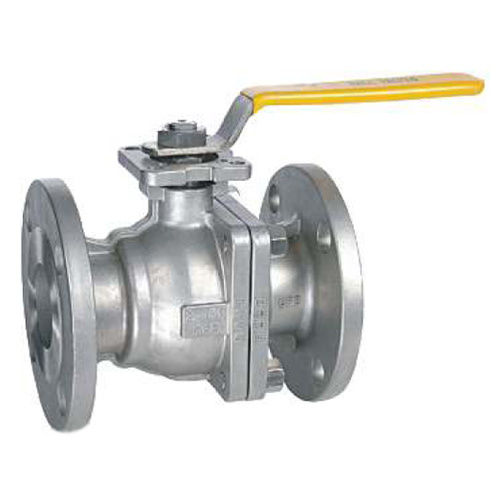
Tell us about your requirement

Price:
Quantity
Select Unit
- 50
- 100
- 200
- 250
- 500
- 1000+
Additional detail
Mobile number
Email

More Products in Stainless Steel Valves Category
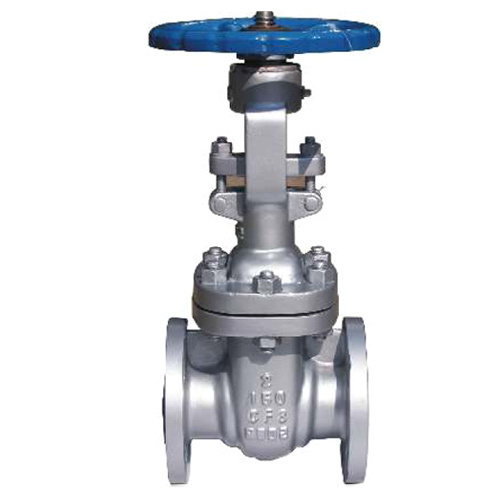
Stainless Steel Ball Valve
Price 250.0 INR
Minimum Order Quantity : 100
Pressure : Other, 1.6 MPa to 6.4 MPa
Port Size : 1/2 to 4 (customizable)
Temperature of Media : Other, 20C to +180C
Application : Industrial, Water, Chemical, Oil & Gas, Food Processing
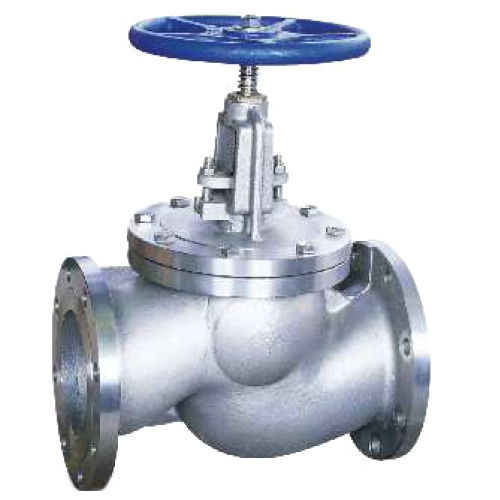
Stainless Steel Duplex Valve
Pressure : Other, PN16 / PN25
Port Size : 2 inch (50mm)
Temperature of Media : Other, 20C to 280C
Application : Industrial fluid control, water treatment, chemical processing

 Send Inquiry
Our Products
- Duplex Steel Products
- Stainless Steel Flanges
- Stainless Steel Fittings
- Stainless Steel Bars
- Stainless Steel Fasteners
- Stainless Steel Angles
- Titanium Products
- Stainless Steel Products
- Nickel Alloy Pipe Fittings
- Stainless Steel Sheets And Plates
- Carbon Steel Products
- Alloy Steel Products
- Stainless Steel Nuts
- Stainless Steel Bolts
- Stainless Steel Valves
- Welding Filler Wire
- Stainless Steel Pipes
- Stainless Steel Coils
- Stainless Steel Flange-Pipe Fittings
- Carbon Steel Flanges
- Mild Steel Flanges
- Duplex Steel Flanges
- Aluminum Plates
- Nickel Pipes


Shop No.5, 84/86, Masalawala Building, 7th Khetwadi Lane, Near Alankar Cinema, Grant Road,Mumbai - 400004, Maharashtra, India

Mr Hitesh Mehta
(Marketing Manager)
Mobile :08045802172
 Send Inquiry
 Send SMS
Developed and Managed by Infocom Network Private Limited.
